Unlock your brain's potential with our guide to BDNF boosting. Discover natural methods to enhance neuroplasticity, improve memory, and accelerate learning.
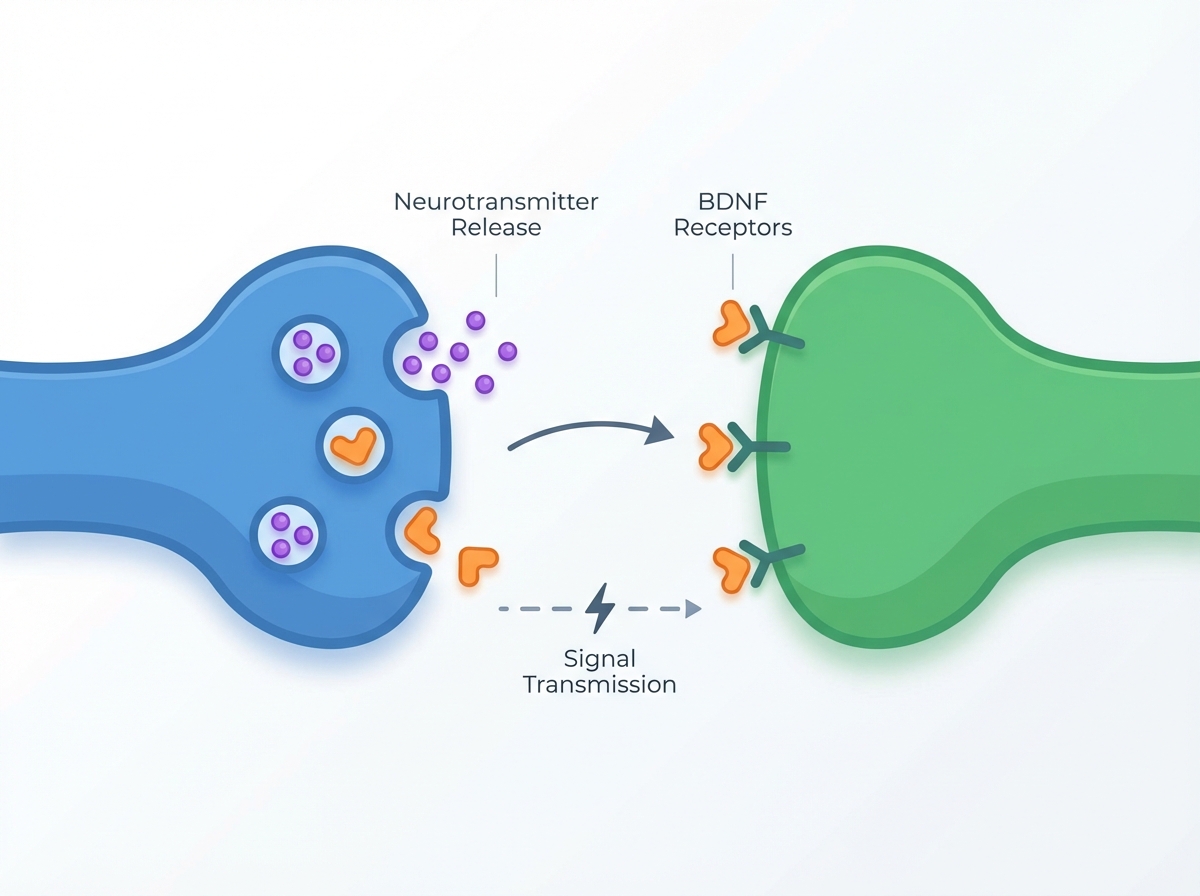
Brain-Derived Neurotrophic Factor (BDNF) is often described as "Miracle-Gro" for the brain. It is a critical protein that supports the survival of existing neurons and encourages the growth of new synapses and neurons—a process known as neuroplasticity. While genetics play a role, research shows that specific lifestyle choices regarding exercise, intermittent fasting, sleep hygiene, and cognitive challenges can significantly boost BDNF levels. This guide explores the science-backed protocols to naturally elevate BDNF, enhancing your capacity for learning and personal development.
---
For decades, scientists believed that the adult brain was static—that once you reached adulthood, you could not grow new brain cells. We now know this is false. The adult brain creates new neurons throughout life, a process called neurogenesis, primarily in the hippocampus (the center of memory and learning). The key driver of this process is BDNF.
BDNF stands for Brain-Derived Neurotrophic Factor. It is a protein encoded by the BDNF gene. Its primary functions include:
When BDNF levels are high, acquiring new skills is easier, memories are retained longer, and mood is generally more stable. Conversely, low levels of BDNF have been linked to cognitive decline, brain fog, and difficulties in learning.
> 💡 Turn Cognitive Science into Daily Habits > > Understanding the science of BDNF is the first step; applying it requires a strategic approach to lifestyle design. Our AI Mentors, trained on proprietary research into high-performance habits, can help you structure a routine that optimizes your brain health. > > Meet the AI mentors built from this research →
Of all the natural methods for BDNF boosting, physical exercise is arguably the most potent. The muscle-brain connection is profound; when muscles contract, they release proteins that travel to the brain and trigger BDNF production.
Short bursts of intense activity have been shown to be particularly effective. The metabolic stress caused by HIIT signals the body to release factors that upregulate BDNF. A protocol of 20 minutes of intense exercise, three times a week, can yield significant cognitive benefits.
Sustained aerobic exercise, such as running or cycling, also increases BDNF. The key here is consistency. Research suggests that the increase in BDNF is transient immediately after exercise, but regular aerobic activity raises the baseline levels of BDNF in the brain over time.
Sleep is not merely a passive state of rest; it is an active neurological process. Deep sleep (Stage 3 and 4) is when the brain clears out metabolic waste products (via the glymphatic system). Chronic sleep deprivation dramatically reduces BDNF levels, impairing the brain's ability to repair itself and form new memories. Prioritizing 7-9 hours of quality sleep is a non-negotiable foundation for BDNF optimization.
What you eat—and when you eat—plays a massive role in your brain's chemical environment. Several nutritional strategies act as mild stressors (hormesis) that trigger a protective, growth-oriented response in the brain.
Evolutionarily, periods of scarcity forced the brain to become sharper to find food. Today, we can mimic this through Intermittent Fasting (IF). Studies indicate that fasting stimulates the production of ketones, which are a cleaner fuel source for the brain and powerful signaling molecules that upregulate BDNF expression.
While diet and exercise prepare the soil, cognitive stimulation plants the seeds. BDNF is released locally in the brain areas that are being used. Therefore, passive entertainment does little for neuroplasticity. To boost BDNF, you must engage in active learning.
The brain thrives on novelty. Learning a new language, picking up a musical instrument, or navigating a new city creates a demand for new neural pathways. This demand triggers the release of BDNF to facilitate the growth of those connections.
Social interaction and complex environments are vital. Isolation is a potent suppressor of BDNF. Engaging in complex conversations, debating ideas, and solving problems with others provides the necessary stimulation to keep the brain plastic and adaptable.
Cortisol, the primary stress hormone, is essentially the antagonist of BDNF. High levels of cortisol can lead to the atrophy of the hippocampus. Mindfulness, meditation, and breathwork are not just relaxation techniques; they are physiological interventions that lower cortisol and allow BDNF levels to recover.
Knowing how to boost BDNF is different from actually doing it. This is where the gap between knowledge and action often widens. GPTnius bridges this gap through AI Mentors trained on proprietary research analyzing the published works, philosophies, and proven methodologies of thought leaders in health, habit formation, and high performance.
For example, you might engage with an AI Mentor trained on research regarding habit systems (similar to frameworks popularized by James Clear) or mental models (like those of Charlie Munger). These AI Mentors synthesize these researched frameworks to provide personalized coaching conversations that help you:
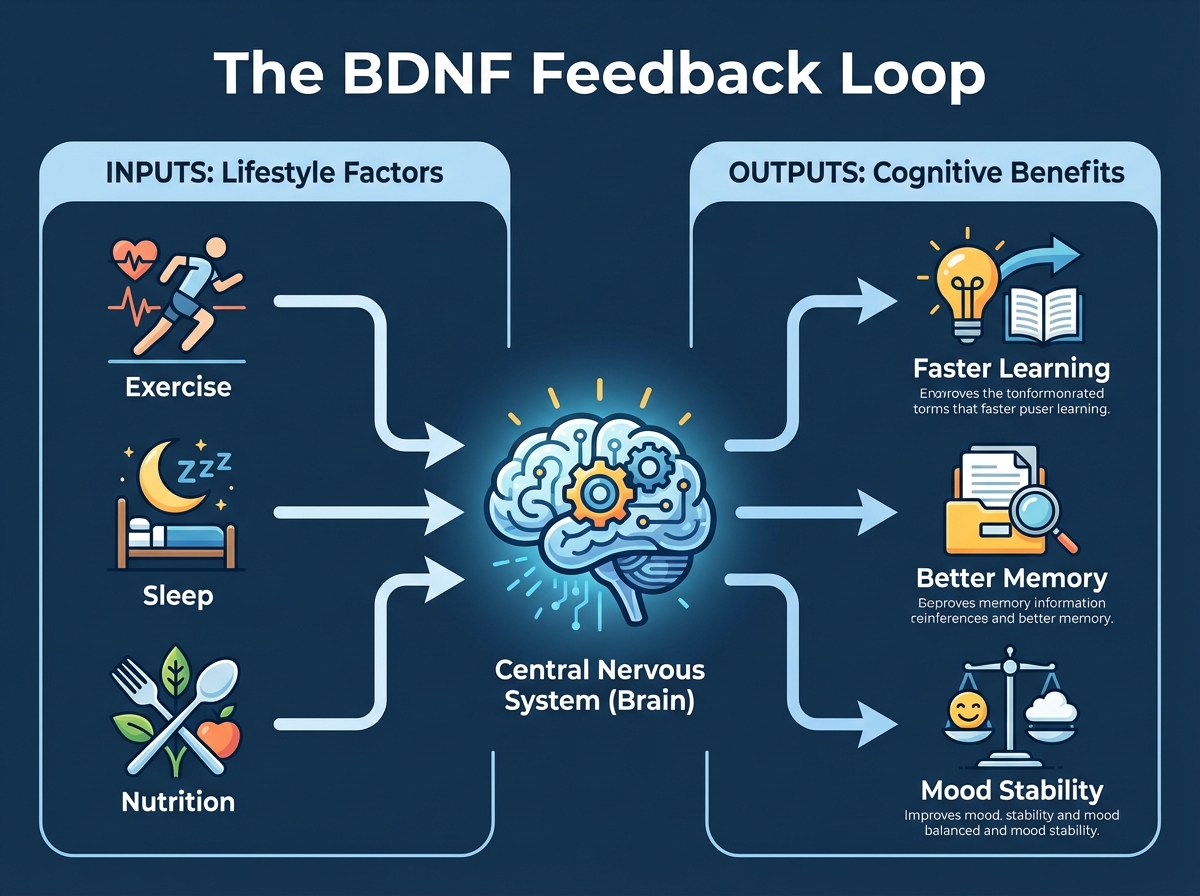
By combining the biological optimization of BDNF with the strategic guidance of an AI Mentor, you create a powerful feedback loop for rapid personal growth.
> 💡 Master Your Biology with AI Guidance > > Don't let your brain's potential go to waste. Engage with GPTnius AI Mentors to apply proven principles of habit formation and learning strategy to your daily life. > > Meet the AI mentors built from this research →
BDNF boosting is one of the most effective strategies for anyone looking to enhance their cognitive performance and long-term brain health. By pulling the levers of exercise, nutrition, sleep, and active learning, you can physically alter the structure of your brain. However, the benefits are cumulative; they require consistency. Whether you are learning a new skill or trying to optimize your health, the key is to integrate these protocols into a sustainable lifestyle. With the right knowledge and the right mentorship, your brain's potential is limitless.
High-Intensity Interval Training (HIIT) is considered one of the most efficient ways to rapidly boost BDNF levels due to the metabolic stress it places on the body, which triggers neurotrophic factors.
While you cannot take a 'BDNF pill,' certain supplements like Curcumin, Omega-3 fatty acids, and Resveratrol have been shown in research to support the body's natural production of BDNF.
Chronic stress elevates cortisol, which inhibits the expression of BDNF. This is why stress management is a critical component of any brain health protocol.