Discover how the gut-brain axis influences focus, mood, and neuroplasticity. Learn actionable nutrition protocols to optimize your cognitive performance.
For decades, neuroscience treated the brain as an isolated command center, a fortress protected by the blood-brain barrier, operating independently from the rest of the body's messy biological functions. However, modern research into Neuroplasticity & Brain Health has dismantled this view. We now know that the brain is in constant, instantaneous dialogue with the enteric nervous system—the vast network of neurons lining your gastrointestinal tract often referred to as the "Second Brain."
This bidirectional communication highway is known as the Gut-Brain Axis. It explains why you feel butterflies in your stomach before a presentation, why stress destroys your appetite, and, conversely, why a poor diet can lead to brain fog, anxiety, and an inability to focus.
Optimizing this axis is not just about digestion; it is a fundamental pillar of Personal Development. If you are striving for peak cognitive performance, ignoring your gut health is akin to trying to run high-performance software on hardware with a failing power supply. This guide explores the mechanisms of this connection and provides actionable nutrition protocols to sharpen your mind.
To hack your biology, you must first understand the machinery. The communication between your gut and your brain occurs through three primary channels.
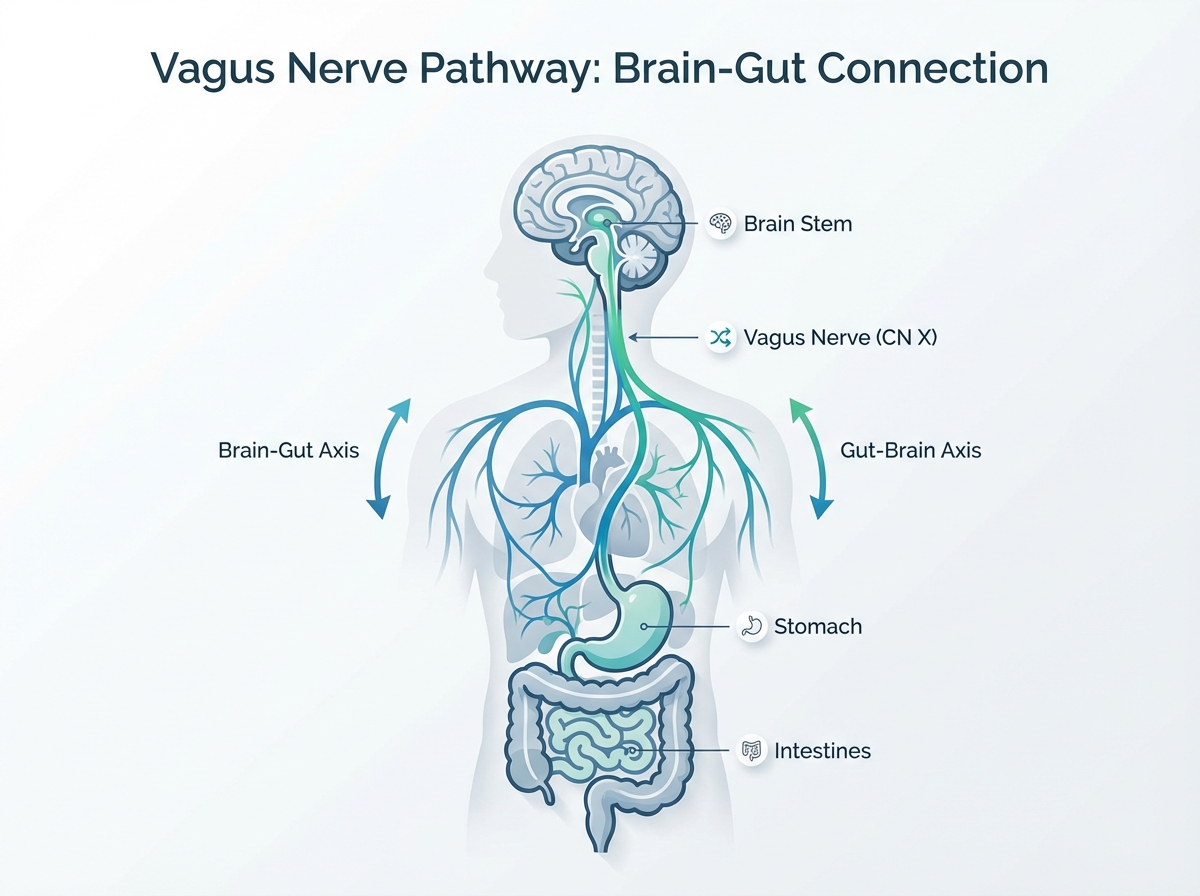
The vagus nerve is the physical superhighway connecting the brainstem to the colon. It is the longest cranial nerve in the body and facilitates real-time data transfer. Research shows that stimulating the vagus nerve can reduce inflammation and improve mood. However, this highway works both ways; gut dysbiosis (an imbalance of bacteria) can send distress signals up the vagus nerve, triggering anxiety and reducing cognitive function.
Surprisingly, your gut bacteria are chemical factories. Approximately 90% of the body's serotonin—a neurotransmitter responsible for mood regulation and sleep—is produced in the digestive tract, not the brain. Furthermore, gut bacteria produce gamma-aminobutyric acid (GABA), which controls feelings of fear and anxiety, and dopamine precursors essential for motivation and focus.
A significant portion of your immune system resides in the gut. When the gut lining is compromised (often called "leaky gut"), toxins and undigested food particles enter the bloodstream. This triggers a systemic immune response and chronic inflammation. Cytokines (inflammatory molecules) can cross the blood-brain barrier, leading to neuroinflammation. Neuroinflammation is a known antagonist to Neuroplasticity & Brain Health, effectively inhibiting the brain's ability to learn and adapt.
> 💡 Turn Biological Science into Daily Habits > > Understanding the Vagus nerve is one thing; building a daily routine that stimulates it is another. GPTnius AI Mentors, trained on proprietary research regarding habit formation and health optimization, can help you build a personalized protocol to reduce inflammation and boost focus. > > Meet the AI mentors built from this research →
Once we accept that food is information, we can begin to program our biology for better outputs. The following protocols are designed to reduce inflammation and feed the microbiome strains that support cognitive function.
"Psychobiotics" are specific probiotics and prebiotics that yield mental health benefits. A diet rich in these elements creates a fertile environment for beneficial bacteria.
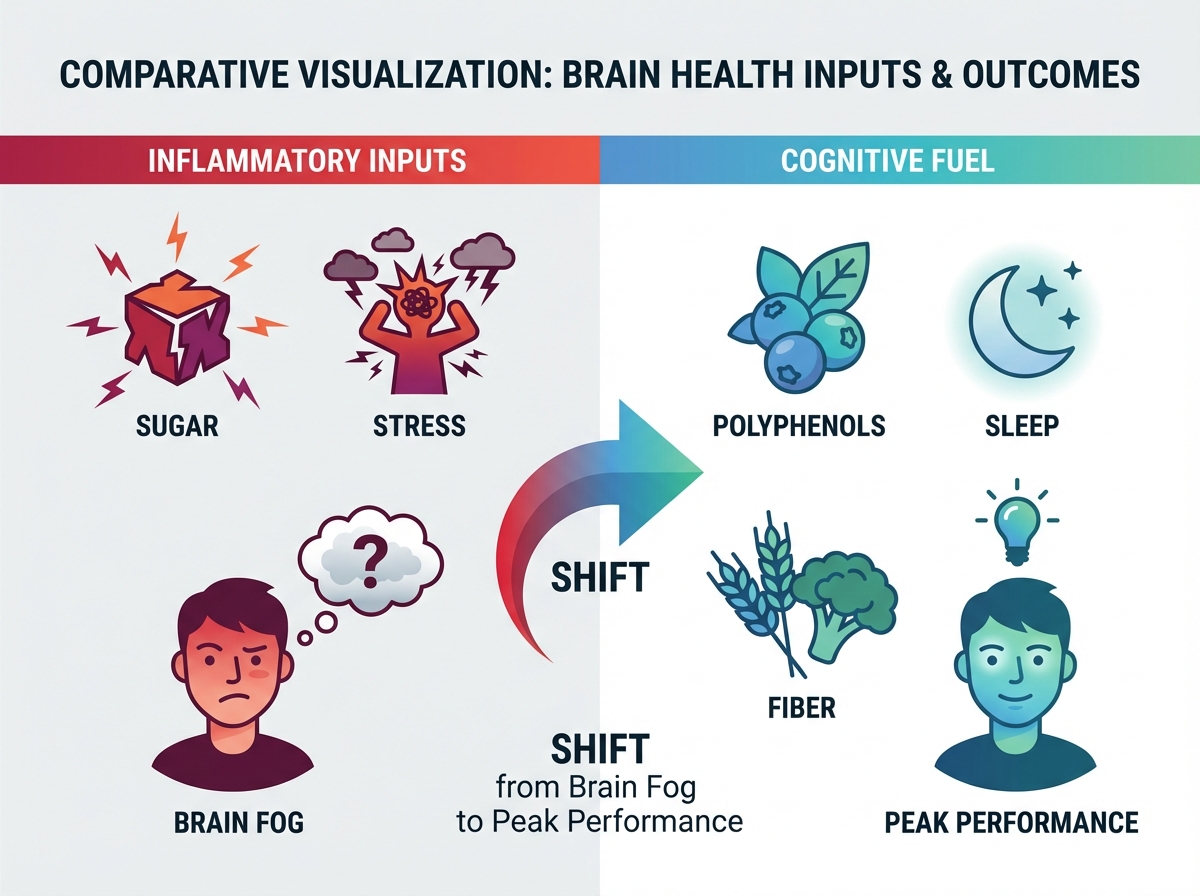
Polyphenols are plant compounds that gut bacteria love. They have been shown to boost memory and learning ability while reducing age-related cognitive decline.
Sometimes, what you remove is more important than what you add. The "Standard American Diet" is rife with inflammatory triggers that cloud the Gut-Brain Axis.
Nutrition does not exist in a vacuum. Your ability to digest and absorb nutrients is heavily dependent on your autonomic nervous system.
Digestion is a parasympathetic process (the "rest and digest" state). High stress activates the sympathetic nervous system ("fight or flight"), which diverts blood flow away from the gut to the muscles. Eating while stressed, rushing, or working effectively shuts down digestion, leading to fermentation, bloating, and poor nutrient absorption.
Protocol: Practice "Box Breathing" (4 seconds in, 4 hold, 4 out, 4 hold) for two minutes before a meal to switch your nervous system into a parasympathetic state.
Your microbiome has its own circadian rhythm. Erratic sleep schedules confuse your gut bacteria, leading to metabolic dysregulation. Consistency in sleep timing helps align your microbial clock with your brain's clock, optimizing AI Learning (in this context, your brain's ability to process information) and recovery.
How do you know if your protocol is working? In the realm of Personal Development, measurement is vital. Look for these qualitative markers:
Reading about the Gut-Brain Axis provides knowledge, but applying it consistently requires strategy and accountability. This is where GPTnius bridges the gap.
GPTnius offers AI Mentors that have been trained on proprietary research analyzing the published works, philosophies, and proven methodologies of thought leaders in health, biohacking, and high-performance psychology. For example, you might engage with a mentor modeled on research into functional medicine frameworks or habit-stacking systems.
These AI Mentors synthesize researched frameworks to provide personalized coaching conversations. They can help you:
Rather than offering generic advice, the AI Mentors guide you through a dialectic process, helping you troubleshoot obstacles—like social dining or travel—so you can maintain your protocols and achieve peak cognitive performance.
> 💡 Master Your Physiology with Strategic Mentorship > > Don't let your biology hold your mind back. Leverage AI Mentors trained on the world's best health and performance frameworks to build a gut-health protocol that sticks. > > Meet the AI mentors built from this research →
While individual results vary, the microbiome can shift significantly within as little as 3 to 4 days of dietary changes. However, repairing the gut lining and reducing systemic neuroinflammation typically requires 4 to 12 weeks of consistent nutritional protocols.
Yes, certain strains of probiotics (often called psychobiotics) such as Lactobacillus helveticus and Bifidobacterium longum have been shown in research to reduce cortisol levels and improve cognitive function by modulating the production of neurotransmitters like GABA and serotonin.
Highly processed foods rich in refined sugars and trans fats are generally considered the most detrimental. They promote inflammation and feed harmful bacteria that can compromise the blood-brain barrier, leading to brain fog and reduced cognitive agility.